Inheriting a vacation home with siblings: making a schedule that works
By Dan·Published
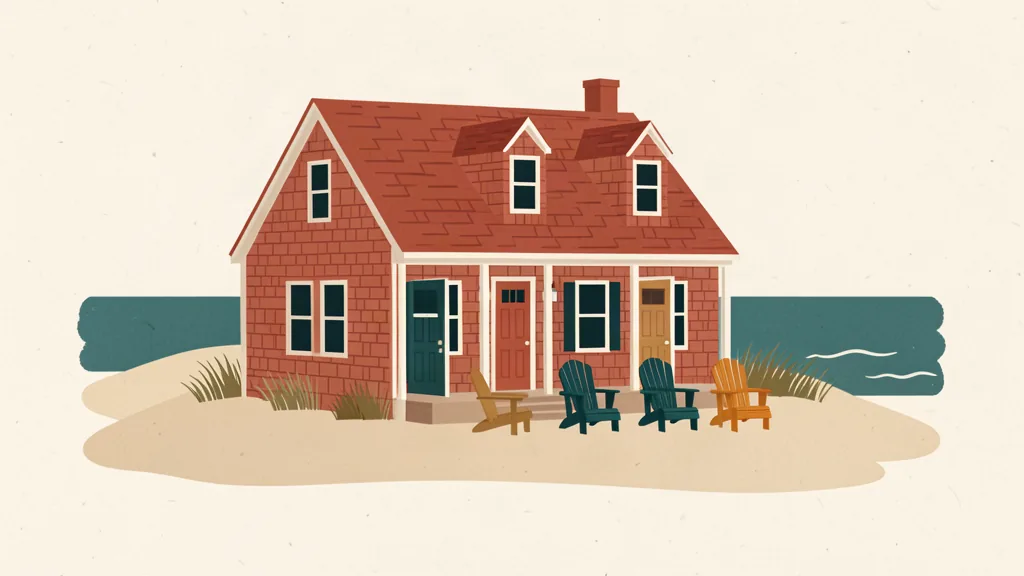
Short answer
When siblings inherit a vacation home, agree on who shares it, how much time each sibling's household gets, how holidays and unused nights work, and who looks after the house. Write the answers down. Ownership, tax, and estate questions are separate and belong with a lawyer or tax advisor.
When parents leave a vacation home to their children together, the family may decide to keep it. Keeping it means something new, though. A house that one couple used however they liked now has two, three, or four households who all want to use it, often in the same weeks.
This guide covers the part of that change a family can handle itself: agreeing how the house gets used. It does not cover ownership, taxes, titles, or estates. Those questions are important, they depend on where you live, and they belong with a lawyer or tax advisor.
Start with what you already agree on
Siblings may agree on more than they expect. Before anyone discusses dates, ask each sibling two questions:
- Do you want to keep using the house?
- Roughly how often, and when?
The answers tell you whether you are planning a shared calendar for everyone or a different arrangement, such as one sibling using the house most and the others visiting. Either can work. It is better to know which one you have before setting rules.
The scheduling questions to settle first
Who shares the house?
One way to set this up is by household: one group per sibling, with spouses and children booking inside that group's time. Decide early whether a grown child who starts their own family later gets their own time or stays inside a parent's group.
How much time does each group get?
This is the question most likely to cause trouble later, so settle it plainly. There are three common answers:
- The same for every group. The simplest to explain and keep track of.
- By ownership share. If one sibling owns half the house, that group gets half the time.
- By household size. A sibling with three grown children's families may get more time than a sibling who comes alone.
Owning, using, and paying are three different things, and families change over the years. Agree which one your time follows.
How do you divide the calendar?
Pick one approach: fixed weeks, taking turns in a rotation, drafting dates, booking as you go with limits, or matching everyone's preferences. Our guide to sharing a vacation home with family compares all five.
How do holidays work?
The holidays your parents always spent at the house are often the hardest dates to share. Decide whether they pass to the next sibling each year, count for more of a group's share, or stay open for everyone to come together. See who gets the Fourth of July for rotation examples.
What happens to nights nobody uses?
Some nights will go unused as work, health, and family plans change. That does not mean anyone cares less about the house. Agree how unused time reaches someone who wants it, for example by opening any night nobody has booked a set number of days before it comes. Our guide to when one family never uses the house covers the options.
Keep the shared plan alive
The first agreement is a starting point. Jobs change, children grow up, and a trip that once felt easy can become difficult. Keep the current plan and calendar somewhere every household can see them any day, with a record of turns, swaps, and changes to the agreement.
Decide how everyone confirms a change and who records it. A simple swap or released week should take minutes to update, without one sibling having to chase replies or remember which message was final. Use the yearly review for bigger questions, but keep ordinary changes moving during the year.
How to start the conversation
Try: "I'd like us to keep enjoying the house without anyone having to guess what the others need. What would make it possible for you to come, and what would be hard this year?"
Try to avoid: "We all inherited the same house, so we should all use it the same way."
| What a sibling is finding difficult | What might help |
|---|---|
| Travel takes most of a short visit | Consider fewer, longer stays |
| School or work limits the available dates | Ask for those constraints before dividing the weeks |
| Costs feel unmanageable | Discuss the budget separately from the calendar, without assuming why |
| Returning to the house brings up grief | Ask whether they want company, a different time, or some space |
Who looks after the place
A house one parent used to run now needs someone to answer the questions: the plumber's number, when the roof was last done, who has the spare key. Pick one house lead, and agree when the job passes to another sibling. Repairs, the money, and scheduling can each go to a different person if that suits your family.
Meet once a year
A short yearly meeting keeps small issues small. One hour is usually enough to look at how the calendar worked, what the house cost, and whether anything in your plan should change. Write down what you decide.
Questions to talk about, then take to a professional
Some questions are worth discussing as a family early, while everyone can say what they want, even though the answers will need professional advice:
- How does a share pass to the next generation?
- What happens to a share after a marriage or a divorce?
- What if one sibling wants out? How would a price be set?
- When would the family sell the whole house?
Talking about these now spares a harder conversation later. Then take your answers to a lawyer or tax advisor, who can tell you how to put them into effect where you live.
Put it in writing
A written plan does not need to be a legal document to be useful. A shared page that says who the groups are, how the calendar is divided, how holidays work, and who the house lead is answers most day-to-day questions. Add a short set of family cabin rules for guests, pets, spending, and the checkout list.
The free Shared House Playbook walks siblings through these decisions one question at a time and turns the answers into a written plan everyone can read before agreeing.
Frequently asked questions
What happens when siblings inherit a vacation home together? Legally, that depends on the will, the type of ownership, and local law, so ask a lawyer. Practically, the siblings need to agree how the house gets used, who pays for what, and who looks after it.
How do siblings split time at an inherited vacation home? A simple starting point is equal time for each sibling's household, divided by a rotation or a draft, with a rule for holidays and a way to release unused nights.
What if one sibling never uses the house? Ask why before changing the arrangement. Distance, health, cost, or feelings about the house may each call for a different response. Agree how unused time becomes available, and discuss costs separately rather than treating a missed visit as a failure.
Related guides
Rules and agreements
Shared vacation home agreement: how to set calendar rules
Write the calendar part of your shared vacation home plan: turns, holidays, unused nights, changes, and who keeps the current schedule.
By Dan·
Rules and agreements
Family cabin rules: a template your whole family can agree on
A copy-ready set of house rules for a shared family cabin or vacation home, covering stays, guests, pets, spending, and the checkout list.
By Dan·

Splitting the calendar
How to share a vacation home with family: five ways to split the calendar
Five common ways families divide time at a shared vacation home, what each one is good at, and how to choose before you pick a tool.
By Dan·